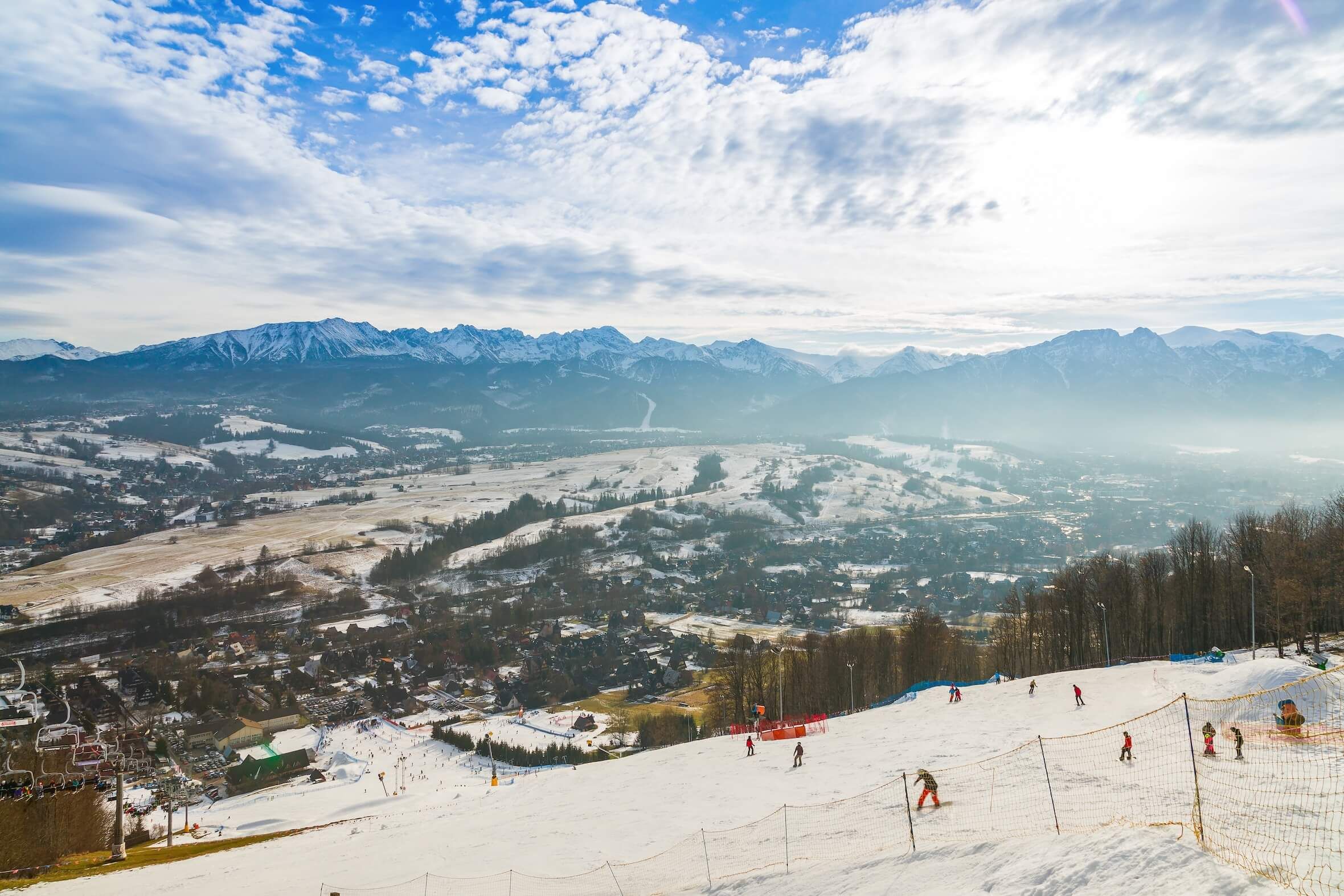
Narciarstwo w Polsce
Chociaż polskie góry nie osiągają wysokości Alp, oferują dobrze przygotowane trasy narciarskie oraz nowoczesną infrastrukturę wyciągową....
Číst dále.
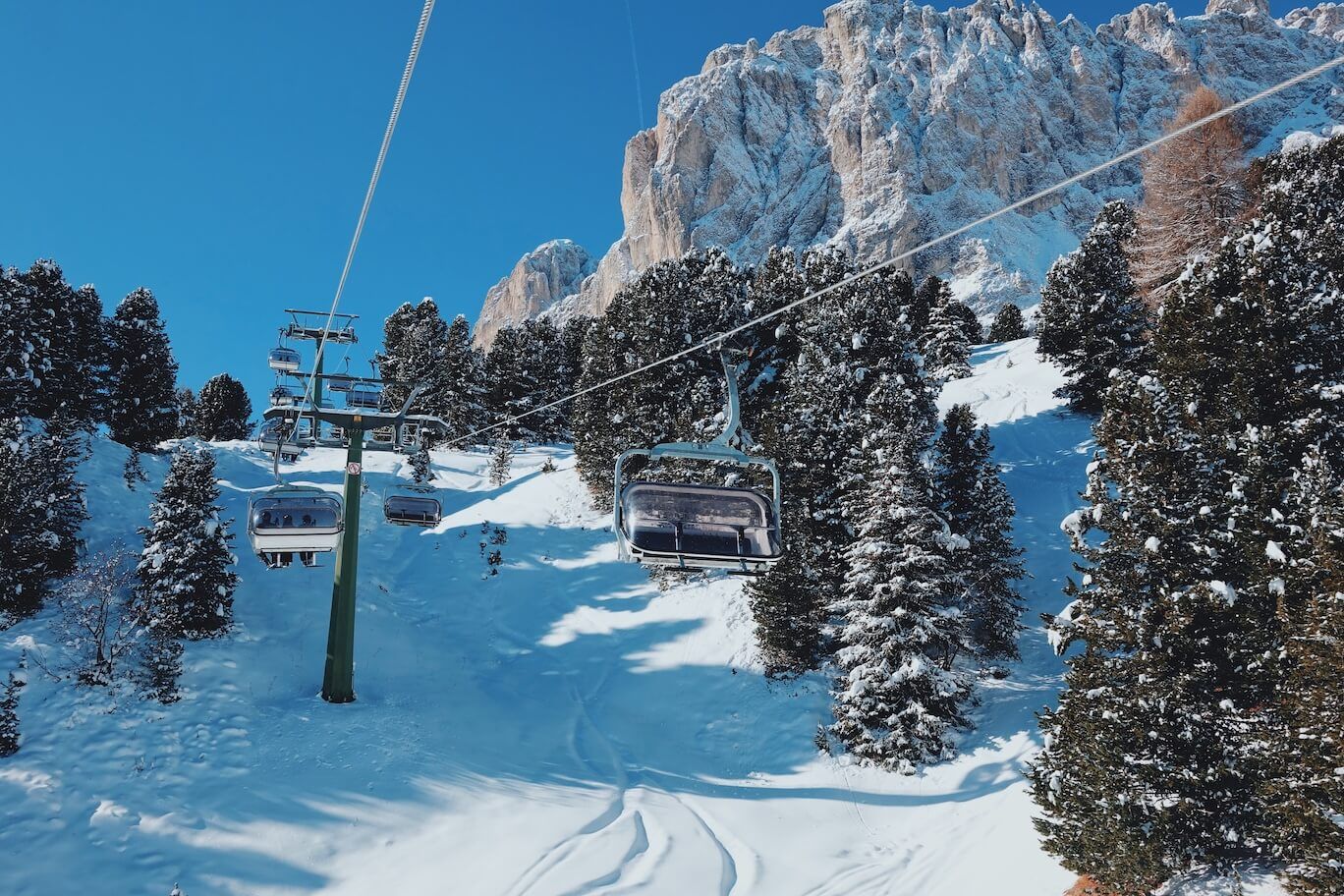
Italy is one of the most popular ski destinations in Europe thanks to its combination of high-quality slopes, sunny weather, excellent food, and a welcoming atmosphere. Italian resorts are known for wide and perfectly groomed runs, modern lift systems, and a strong emphasis on comfort. Skiing in the Dolomites or in the Lombardy region is ideal for families and recreational skiers as well as for sport-oriented visitors.
| What you are looking for | Recommended resorts |
| The largest interconnected areas, varied terrain | Dolomiti Superski (Val Gardena, Alta Badia, Arabba) |
| Family holiday, quiet slopes | Alpe di Siusi, Alta Badia |
| Sport skiing, long descents | Val Gardena, Cervinia |
| Modern resorts and good accessibility | Livigno, Madonna di Campiglio |
| High altitude and reliable snow conditions | Cervinia, Livigno |
| Combination of skiing and city atmosphere | Bormio, Cortina d’Ampezzo |
| Sunshine, Dolomites panorama | Alta Badia, Alpe di Siusi |
Suitable for: sport skiers, intermediate skiers, and families
What you will find: direct connection to the Sella Ronda, long and varied runs, top-class lift systems
Val Gardena is one of the most famous areas in the Dolomites and offers a perfect combination of sporty skiing and comfort. You will find famous runs such as Saslong, as well as wide slopes for recreational skiing – approximately 175 km of pistes, including blue, red, and black runs.
Altitude: village bases around 1,200 m, lift summits up to 2,500–2,700 m (depending on the sector).
Travel time:
Where to stay:
The most popular villages are Ortisei, Santa Cristina, and Selva di Val Gardena. They offer a wide selection of hotels, apartments, and ski-in/ski-out accommodation with excellent lift connections.
Suitable for: families, relaxed skiers, food lovers
What you will find: wide blue and red runs, sunshine, top-class gastronomy
Alta Badia is known for its calm character and perfect conditions for less experienced skiers. The area is part of the Sella Ronda and offers beautiful views of the Sella massif.
You will find around 130 km of groomed pistes within Alta Badia — predominantly blue and red runs, with a few black runs for advanced skiers. The area is excellent for relaxed skiing and panoramic carving turns.
Altitude: village bases range around 1,200–1,600 m, upper sections reach over 2,500 m.
Travel time:
Where to stay:
The villages of Corvara, La Villa, and San Cassiano are ideal for skiers seeking comfort, quality services, and easy access to the slopes.
Suitable for: families with children, beginners
What you will find: the largest high-altitude alpine plateau in Europe, gentle slopes, tranquility
Alpe di Siusi offers unique skiing on an open alpine plateau with a predominance of blue and easy red runs. Thanks to an altitude of around 1,800–2,300 m, there is plenty of snow and sunshine. Alpe di Siusi/Seiser Alm has approximately 60–75 km of slopes – a large part of the runs are easy to intermediate (predominantly blue and red), making them ideal for lessons and relaxed carving turns.
Travel time:
Where to stay:
Excellent facilities are offered in Compatsch or Seis am Schlern. The area is ideal for ski-in accommodation with minimal transfers.
Suitable for: sport skiers, lovers of long descents
What you will find: high altitude, wide runs, connection with Switzerland
Cervinia lies beneath the iconic Matterhorn and offers one of the most reliable snow conditions in Italy – the area includes glacier sectors and therefore allows skiing very early and late in the season.
The area connected with Zermatt offers up to 150 km of pistes in the Italian-Swiss ski area. The region features both long, comfortable descents ideal for carving and more demanding slopes.
Travel time:
Where to stay:
Accommodation directly in Breuil-Cervinia allows convenient access to the slopes. A quieter alternative is Valtournenche.
Suitable for: younger skiers, freeriders, shopping enthusiasts
What you will find: high altitude, modern lifts, duty-free zone
Livigno is a modern and lively resort with quality slopes on both sides of the valley. Thanks to its duty-free zone, it is also popular for shopping and après-ski. You will find around 115 km of slopes – from blue to red and black runs for advanced skiers. Thanks to altitudes of up to 2,800 m, Livigno offers good skiing conditions throughout the entire season.
Travel time:
Where to stay:
Accommodation is available directly in the town of Livigno, where everything is within walking distance or accessible by ski bus.
Suitable for: sport skiers, couples
What you will find: elegant mountain resort, more demanding runs, modern lift systems
Madonna di Campiglio is connected with Folgarida–Marilleva and offers over 150 km of slopes and a mix of runs for intermediate and advanced skiers. The area is known for high-quality slope grooming and a higher level of services. Although the resort is not located on a glacier, the high altitude of some sectors extends the season.
Travel time:
Where to stay:
Directly in Madonna di Campiglio you will find higher-category hotels; an alternative is Folgarida or Marilleva with a better price-to-accessibility ratio.
Suitable for: lovers of panoramic views, combination of skiing and city life
What you will find: beautiful Dolomites scenery, diverse ski areas, stylish atmosphere
Cortina is ideal for skiers who want to combine sport, nature, and city life. It offers over 100 km of groomed slopes spread across several separate ski areas and is one of the most iconic locations in the Dolomites. Thanks to altitudes of up to 3,000 m, it offers good skiing conditions throughout the season.
Travel time:
Where to stay:
The best choice is staying directly in Cortina d’Ampezzo, or in quieter nearby villages such as San Vito di Cadore.
Travelling to Italy for skiing is most often associated with travelling by car via Austria or Germany. The fastest and most convenient option is usually transit through Austria, where a motorway vignette is required and tunnel tolls apply on certain sections. In Italy, tolls are charged based on distance travelled and are paid directly at toll booths when exiting the motorway. Card payments are common, but it is still useful to have some cash.
During the winter months, it is essential to ensure proper vehicle equipment. Winter tyres are mandatory, and in mountainous areas, the use of snow chains may be required in adverse conditions, even for 4×4 vehicles. It is recommended to follow traffic signs and weather forecasts, as mountain passes may be temporarily closed or slowed by traffic queues during heavy snowfall.
Italian ski resorts are generally very well prepared for arrivals by car. Parking at lift stations is usually well organised and often free of charge or available for a small fee. Larger resorts have a well-developed ski bus network connecting accommodation areas with lift access points, eliminating the need for daily car use. If you are planning a stay during peak season, it is advisable to arrive at the resort early in the morning, when parking is easiest.
When planning your ski trip, it pays to pay attention to the choice of ski pass. In Italy, it is very common for several valleys to be connected into one large ski area, making regional ski passes significantly more flexible than single-area day passes. Typical examples include Dolomiti Superski or the connection between Cervinia and Swiss Zermatt. For longer stays, these ski passes are often more cost-effective and allow you to explore different parts of the area each day.
A major advantage of skiing in Italy is the gastronomy and overall mountain atmosphere. Mountain restaurants and huts offer high-quality cuisine, often with regional specialities, and long lunches on sunny terraces are a common part of a day on the slopes. Compared to some other Alpine countries, Italian resorts have a more relaxed pace, appreciated by families and recreational skiers alike.
High-quality travel insurance covering skiing abroad and potential mountain rescue services should also be a given. If you plan freeride skiing or off-piste activities, it is important to have appropriate equipment and experience, or to use the services of local mountain guides.
To fully enjoy your stay in the Italian mountains and indulge in local specialities, it is worth planning your holiday budget wisely. Save on accommodation thanks to the service Wakacje za benefity, which allows you to pay for a hotel or guesthouse using your Edenred, Up, or Pluxee benefit points.
Chociaż polskie góry nie osiągają wysokości Alp, oferują dobrze przygotowane trasy narciarskie oraz nowoczesną infrastrukturę wyciągową....
Číst dále.Although Polish mountains do not reach the heights of the Alps, they offer well-groomed slopes, modern lift infrastructure....
Číst dále.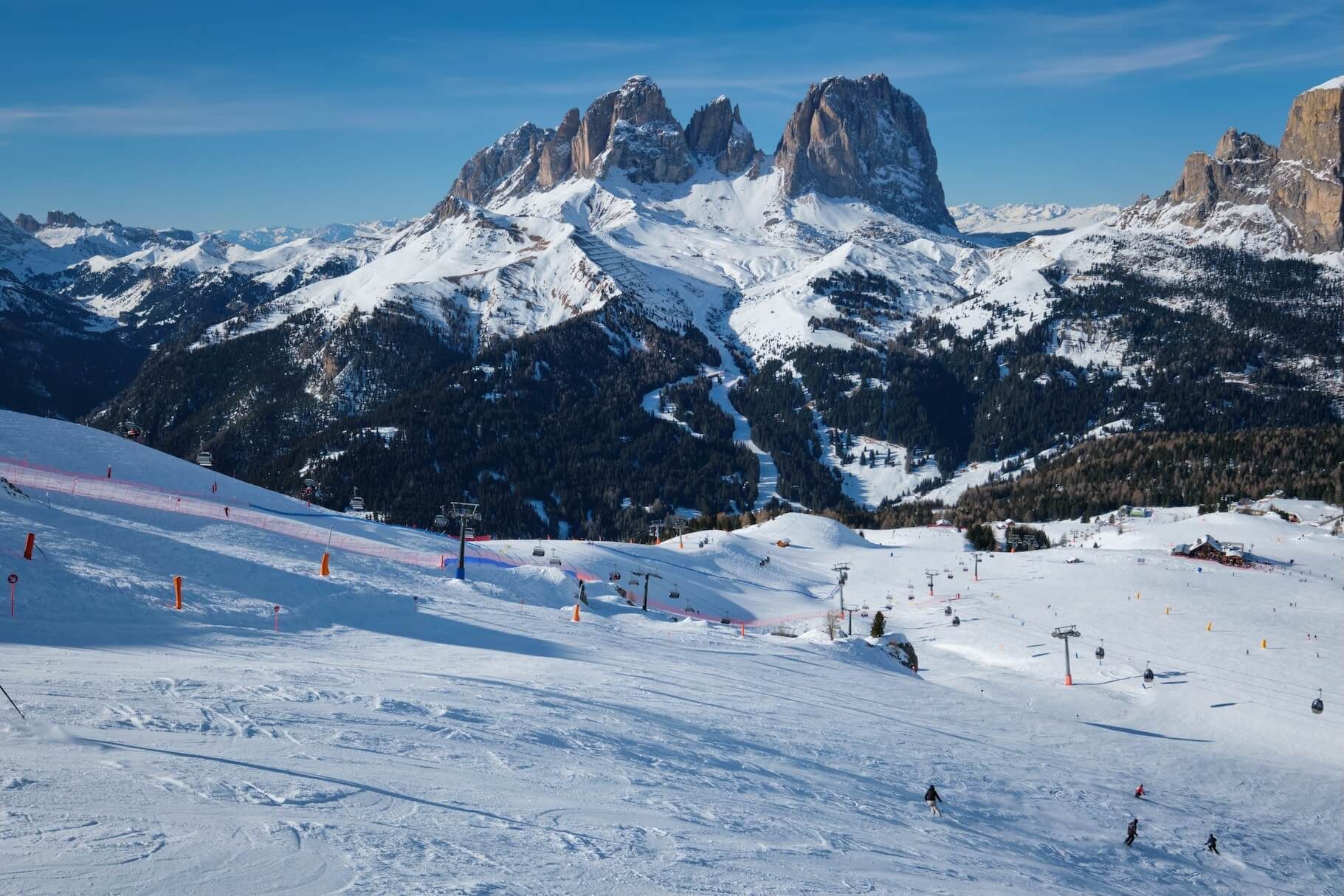
Włochy należą do najpopularniejszych kierunków narciarskich w Europie dzięki połączeniu wysokiej jakości tras narciarskich, słonecznej pogody, doskonałej kuchni i przyjaznej atmosfery....
Číst dále.